Top 5 Common Workplace Injuries and How They Affect Workers’ Comp Claims
Did you know that over 2.8 million workplace injuries are reported annually in the U.S.? These injuries not only disrupt employees’ lives but can also complicate workers’ comp claims. If you or someone you know has been injured at work, understanding the most common workplace injuries and their effects on workers’ compensation claims is essential. In this article, we’ll dive into the top five workplace injuries across various industries and explain how these injuries impact both medical and legal aspects of workers’ comp claims.
1. Slips, Trips, and Falls
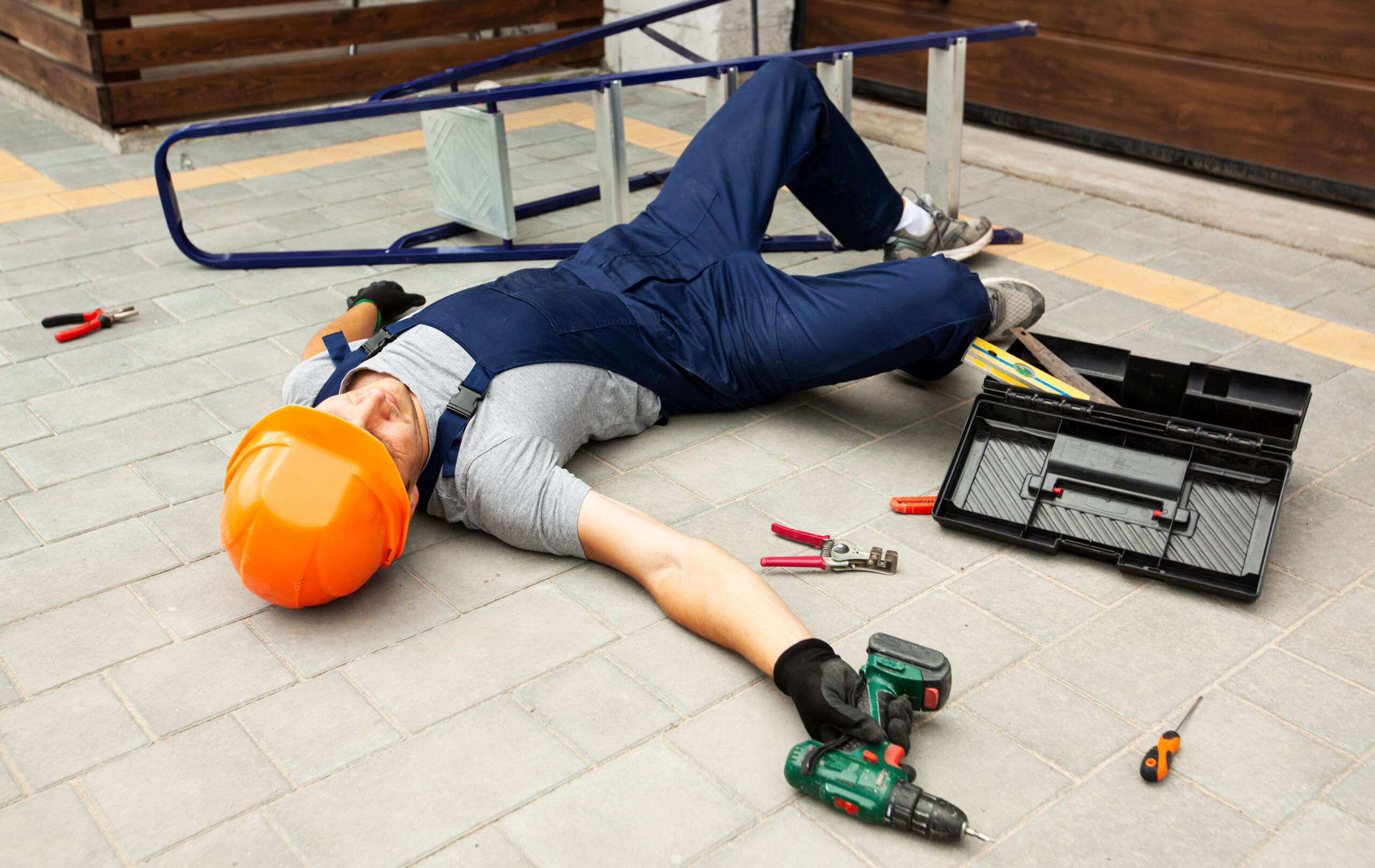
Slips, trips, and falls are the most common workplace injuries, particularly in industries like construction, manufacturing, and healthcare. These accidents can lead to fractures, sprains, and head injuries, often requiring long-term medical treatment.
Impact on Workers’ Comp Claims:
- Medical Perspective: The severity of the injury can determine the length of recovery and the compensation awarded. Head injuries, for instance, might result in higher compensation due to long-term cognitive issues.
- Legal Perspective: The employer’s responsibility to provide a safe work environment can become a key factor in workers’ comp claims. Legal battles may arise if there’s evidence of negligence in workplace safety protocols.
2. Overexertion Injuries
Overexertion is a leading cause of workplace injuries, especially in jobs that involve heavy lifting, pushing, or pulling, such as warehouse work or nursing. These injuries often lead to musculoskeletal disorders like back pain or strained muscles.
Impact on Workers’ Comp Claims:
- Medical Perspective: Overexertion injuries can lead to chronic pain and require extensive rehabilitation, impacting workers’ ability to return to work.
- Legal Perspective: Workers’ comp claims for overexertion can be more complicated, as proving that the injury occurred due to work-related activities often requires detailed medical records and testimonies from experts.
3. Struck by Object or Equipment
Construction, manufacturing, and warehousing industries often report injuries where workers are struck by falling objects or machinery. These incidents can result in serious injuries like concussions, broken bones, or even death.
Impact on Workers’ Comp Claims:
- Medical Perspective: Immediate medical attention is often required, and the worker may need ongoing treatment, which impacts the total compensation amount.
- Legal Perspective: Proving negligence or faulty equipment can play a significant role in workers’ comp claims. In many cases, the employer’s failure to maintain safe working conditions could increase the payout.
4. Repetitive Stress Injuries (RSIs)
Repetitive stress injuries, like carpal tunnel syndrome, are common in office settings, manufacturing, and jobs that require repetitive motions. These injuries may develop slowly but can result in long-term disability.
Impact on Workers’ Comp Claims:
- Medical Perspective: RSIs often require physical therapy and ergonomic adjustments to prevent future injuries, which can lead to higher medical costs.
- Legal Perspective: Since these injuries develop over time, proving the direct connection between work activities and the injury can be challenging, often requiring expert medical testimony in workers’ comp claims.
5. Vehicle-Related Accidents
Employees who drive as part of their job, whether in delivery, transportation, or construction, are at risk of vehicle-related accidents. These can lead to severe injuries or fatalities, complicating workers’ comp claims.
Impact on Workers’ Comp Claims:
- Medical Perspective: Injuries from vehicle accidents range from minor whiplash to life-threatening trauma, influencing the compensation claim’s complexity.
- Legal Perspective: Vehicle accidents often involve multiple parties, including insurance companies and third-party drivers. Legal proceedings can become lengthy, especially if liability is disputed.
How SPLNC & Associates Can Help
Workplace injuries have lasting effects on employees, often leading to complex workers’ comp claims with considerable future medical needs. Understanding the impact of injuries like slips and falls, overexertion, and repetitive stress is crucial for developing accurate future medical care projections. For attorneys representing injured workers, SPLNC & Associates offers expert insight, helping ensure settlements cover the full scope of medical costs.
If your client has been injured on the job, reach out to us today to learn how we can assist in supporting your case with comprehensive planning for their workers’ comp claims.